
Episode #7
Friday, 25th September 2026
Your weekly caffeine-hit of industry juice & intel ☕

🌡️ THE WARM-UP
Happy Friday, skincare besties 👯
September has reached the stage where a jumper, an iced coffee and a Christmas booking enquiry can all happen before lunch. Meanwhile, the beauty basket has developed ambitions. A moisturiser is no longer just a moisturiser. It has a scientific backstory and would like a moment of your time.
Last Friday, we promised to untangle peptides. Promise kept. This week is about being the practitioner who can explain the clever bottle without needing to read its entire press release out loud.
Because loving skincare and understanding skincare are different pleasures. We are very much here for both. The gorgeous shelf. The satisfying texture. And the quiet confidence of knowing when a client already has enough.
Inside: a clinic favourite moving onto the high street, the label decoder your consultations need, a professional peptide serum worth investigating, and a useful way to turn bathroom-shelf chaos into a proper appointment.
Btw, last chance to enter our free competition… £1,000 cash and a £5,000 MSTA training voucher, one winner takes both. The draw closes Wednesday. Just fill out this survey!
Grab your coffee. Let’s get into it.
☕ SKINCARE QUOTE OF THE WEEK
“My goal with Prequel was to create a line of products that can be used before you ever need to see a dermatologist. Things that can help keep your skin healthy in the long term.”
— Dr. Sam Ellis, board-certified medical and cosmetic dermatologist; founder of Prequel
(Kirsty says: I like the ambition here: looking after skin before it becomes a project. Not replacing medical care when it’s needed. Just giving the everyday bits some respect. There is nothing unglamorous about a routine someone actually enjoys enough to keep doing.)
🔥 INDUSTRY BUZZ
Your stock cupboard is not your whole selling point
SkinCeuticals is now at Space NK, with a live online range and a treatment room at its Battersea store. If a client can buy a familiar professional brand while shopping for lipstick, your advantage cannot stop at “I stock this”: show her the assessment, follow-up and judgement she gets with you.
CCR: take your questions, not just your tote bag
CCR returns to Excel London on Thursday 1 and Friday 2 October, with a programme spanning regenerative medicine, injectables, skin health and clinic business. Before you fall for the next treatment launch, ask what evidence supports it, which clients it suits and what training and support come with it. Check session entry rules before planning your day: some clinical sessions are restricted to specified registered healthcare professionals.
Your actual numbers beat another “fully booked” post
MSTA’s State of the UK Skincare Industry survey closes at 11:59pm UK time on Wednesday 30 September, and we want the real picture, not just the polished one. Eligible UK industry respondents aged 18+ can complete the free survey and leave an email at the end to enter a draw for one prize: £1,000 cash plus a £5,000 MSTA training voucher; answers remain anonymous and separate from that email.
Open to current or former UK skincare/aesthetics workers and recognised-course trainees; exclusions apply. Voucher valid for 12 months, non-transferable, no cash alternative. Full terms.
💉 TREATMENT SPOTLIGHT:PEPTIDE-LED FACIALS
What it is
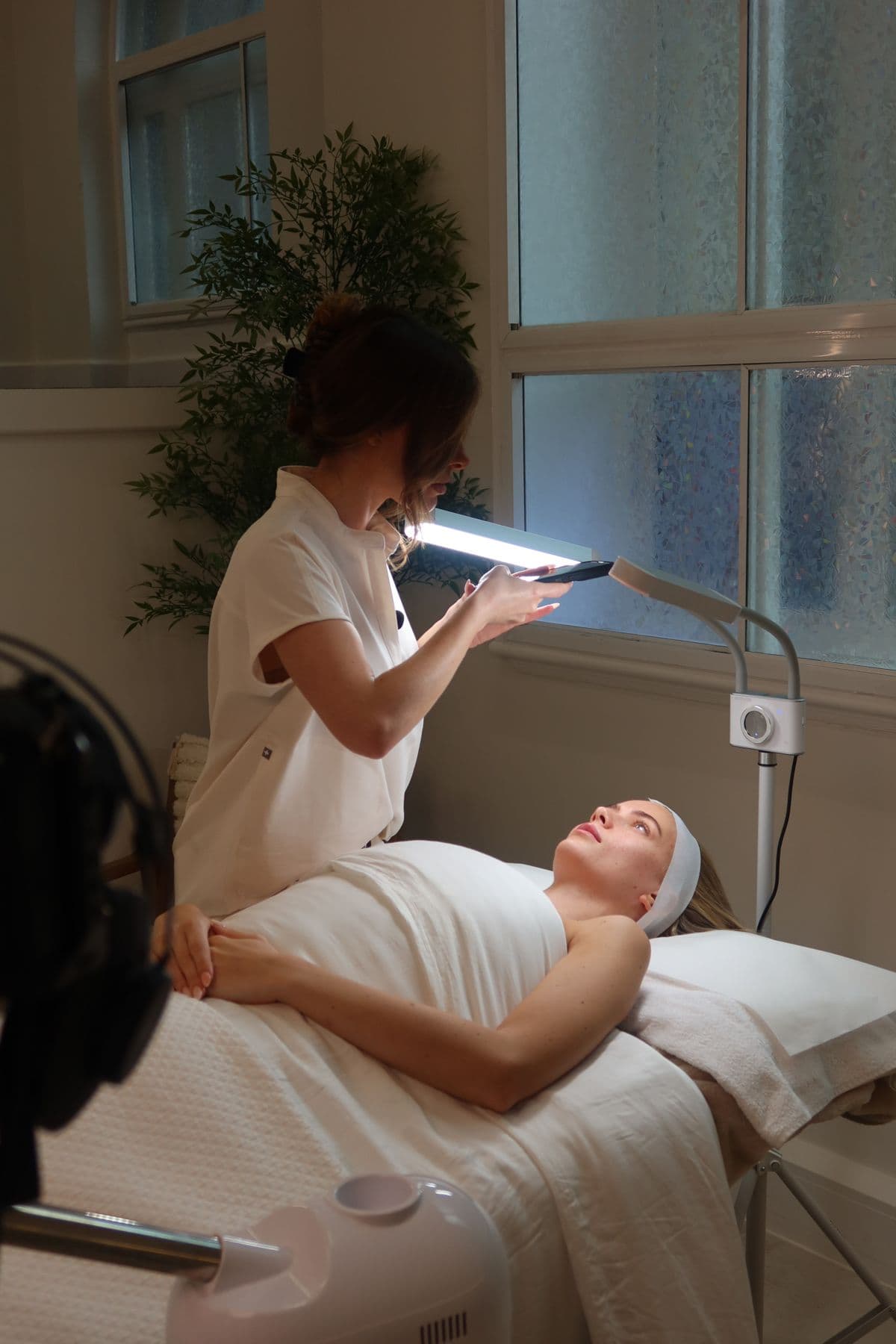
A facial using peptide-containing skincare. That’s the starting point, not a mysterious new machine. The phrase doesn’t describe one fixed protocol, so the actual products and steps still need explaining.
Peptides are short chains of amino acids: the small building blocks used to make proteins. Some are studied for how they influence signals in skin; others carry a substance such as copper. They do not all do the same job.
Here is your bottle decoder, minus the chemistry exam:
Signal peptides:ingredients such as palmitoyl pentapeptide-4 are studied for signals involved in the skin’s supporting structure. Some finished formulas have shown improvements in the appearance of lines. That is not a promise attached to every product with “peptide” on the front.
Copper peptides:you may see copper tripeptide-1, also called GHK-Cu. It combines a short peptide with copper. Lab findings make it interesting; they don’t tell you what any particular facial will achieve.
Expression-line peptides:Argireline is a trade name associated with acetyl hexapeptide-8, also described as acetyl hexapeptide-3 in older literature. You’ll meet “Botox-like” language around this category. A topical serum is not an injectable muscle-relaxing treatment, and it should not be sold as one.
Who it’s for
Potentially, a client looking for a smoother-looking, well-moisturised complexion, where the chosen formula suits her skin and routine. Think of the client who wants a thoughtful facial and realistic homecare, not another grand promise.
“Peptide” does not mean automatically gentle. Check the whole formula, allergies, current skin condition and the manufacturer’s instructions. Irritated or unexplained skin problems need appropriate assessment, not a trend-led booking.
Why it’s trending
The appeal is easy to understand: support rather than another dramatic peel, skin quality rather than a different face. The vocabulary also sounds wonderfully clever on a bottle. That mixture of hope and science is powerful marketing.
For a client who doesn’t want another intensive step, a cream or serum feels like an easy place to start. Keep that appeal. Then explain what the exact formula can reasonably offer, rather than making the whole peptide family sound like one miracle.
The bit every practitioner should know
An ingredient study is not a finished-product study. A finished-product study is not a study of your whole facial.
A 2025 review brings together laboratory work and human studies on cosmetic peptides. It also spells out the awkward part: stability and getting through the skin’s outer barrier are challenges. Formula, packaging and how the product is used matter. A result from one formulation cannot simply be borrowed by another.
Nor does an immediately plump finish prove new collagen. Hydration and the rest of the facial affect what the client sees that day. Enjoy the glow; describe it honestly.
Then there is the internet’s other peptide conversation: injections and “research” vials. Keep that separate. In the UK, the MHRA assesses whether something is a medicine by its claims, action, intended use and presentation. A seller’s label is not your permission to treat.
Do not inject a cosmetic serum or assume it is suitable for freshly needled skin. If a supplier proposes combining it with a procedure, ask for the exact intended-use documentation and check your device instructions, training and insurance separately.
Your supplier question: “What evidence supports this finished formula, used by this route, for the result you want me to promise?”
Aesthetician tip
Try this in a consultation:
“Peptides are a family of ingredients, not one treatment. This formula may have a place in your plan, but I want to choose it for what your skin needs. We’re not buying the longest ingredient list.”
Keep a note of why you chose it and what you will review. Use comparable photographs over time, not a shiny immediately-after picture as proof of a long-term change.
A cleanser and a targeted serum have different jobs. An accessible option such as Prequel Gleanser belongs in the cleansing conversation; it is not a cheaper substitute for a peptide serum.
Pricing insight
Don’t add a premium fee simply because the word sounds expensive. Price the actual appointment: your consultation, time, consumables, treatment steps and review. Explain what is included and what homecare costs separately.
A premium facial can feel beautiful and be properly judged. You do not have to choose between the science and the lovely bit. Just make sure the lovely bit isn’t doing all the explaining.
📱 THE BATHROOM-SHELF PLAYBOOK
The appointment idea: “Bring your bathroom.” Not literally. Nobody needs a carrier bag leaking toner across the reception desk.
Offer a routine review with a clear length, price and scope. It can stand alone or sit inside an existing consultation. The promise is clarity, not a compulsory shopping list. Give it a name on your booking page so clients know they can book your thinking, too.
Send this before the appointment:
“Before we meet, send photos of the products you actually use, front and back. Tell me what goes on in the morning, at night and on your ‘extra skincare’ days. Include anything prescribed, and anything you’ve stopped because it irritated you. We’ll work out what earns its place.”
In the review, give each cosmetic one of three clear homes:
KEEP: it has a useful job and fits the plan. Tell her that. Especially if she bought it somewhere else.
PAUSE:there is a reason to hold an optional cosmetic while you reassess, such as irritation or too many similar steps. Explain the reason and the review point; don’t leave her guessing forever.
REVIEW:you need more information, a manufacturer’s answer or advice from her prescriber. Do not change prescribed treatment yourself or turn a cosmetic consultation into medical diagnosis.
Finish with a short written morning/evening plan and an agreed check-in. If you suggest buying something, name the gap it fills. “You don’t need to replace that yet” can be a very reassuring sentence.
Your post hook: “You don’t need to tidy your skincare shelf before your consultation. I need to see the chaos.”
Film yourself with a blank routine sheet, then explain the service. No client photographs or private messages needed. Let the invitation do the work.
🌿 PRODUCT WORTH KNOWING:SKINCEUTICALS P-TIOX
The peptide conversation, with an actual bottle on the desk.
P-TIOX is a leave-on peptide face serum from SkinCeuticals, marketed to soften the appearance of expression lines and improve skin texture. It is available in the UK, including through clinic-led retailer Skinstation. This is where the label decoder meets a product your clients may already be asking about.
The interesting bit is the positioning. Its peptide complex is described as inspired by neurotoxin injections. That is a marketing comparison, not the same treatment in a bottle: a topical serum does not replace an injectable muscle-relaxing treatment.
For your clinic, the opportunity is a properly chosen homecare recommendation alongside a treatment plan. If you already stock SkinCeuticals, ask your account manager for the finished-product evidence and where P-TIOX fits within your range. If you do not, check professional account eligibility, opening orders and retail terms before building it into your offer. A UK shopping link is not a wholesale agreement.
Start with the client, not the sales pitch. Is she concerned about visible lines? Does her current routine suit her skin? Can she comfortably keep buying the product? The useful recommendation answers those questions before adding another step.
We have not clinic-tested P-TIOX, so this is one to investigate, not an MSTA results claim. Ask to see how the complete formula was tested, for how long and against what comparison. Keep any brand-reported results clearly attributed.
Your consultation line: “This is a peptide serum for the appearance of lines, not an injectable in skincare form. Let’s decide whether it fills a useful gap in your routine.”
🎓 LEARN & MASTER:UPCOMING AT MSTA
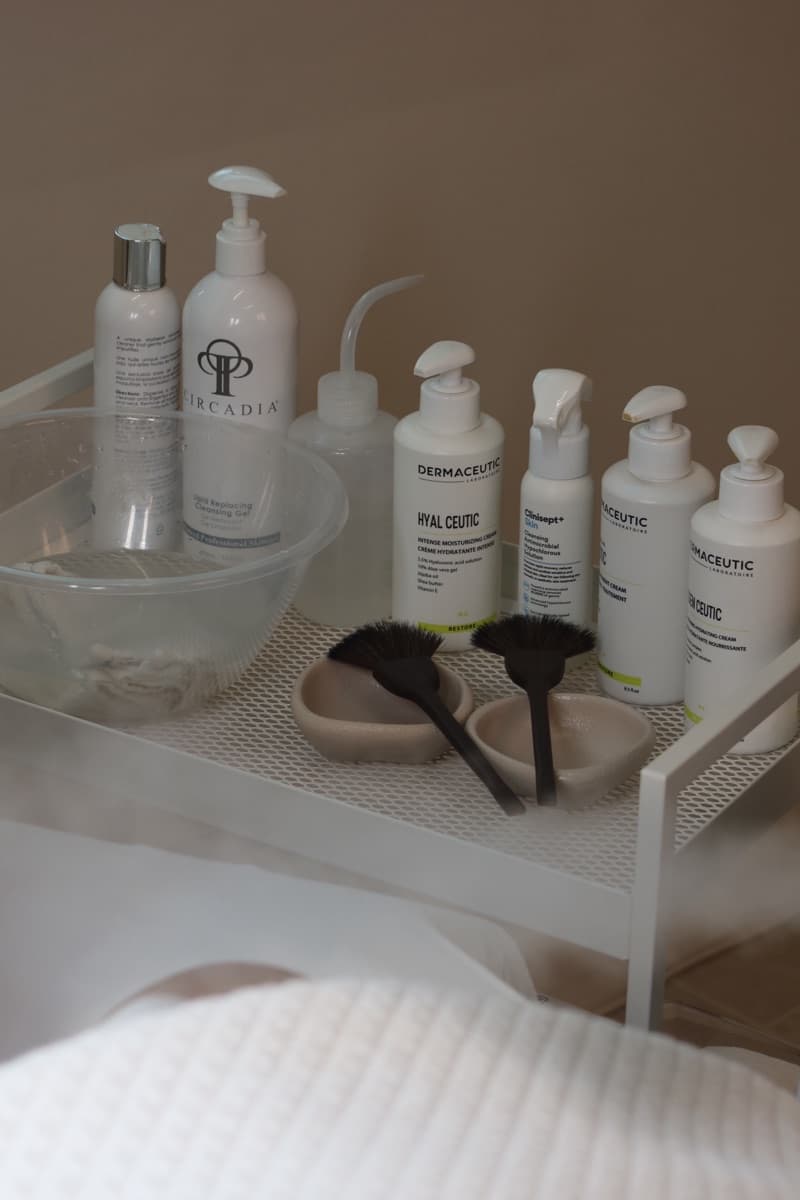
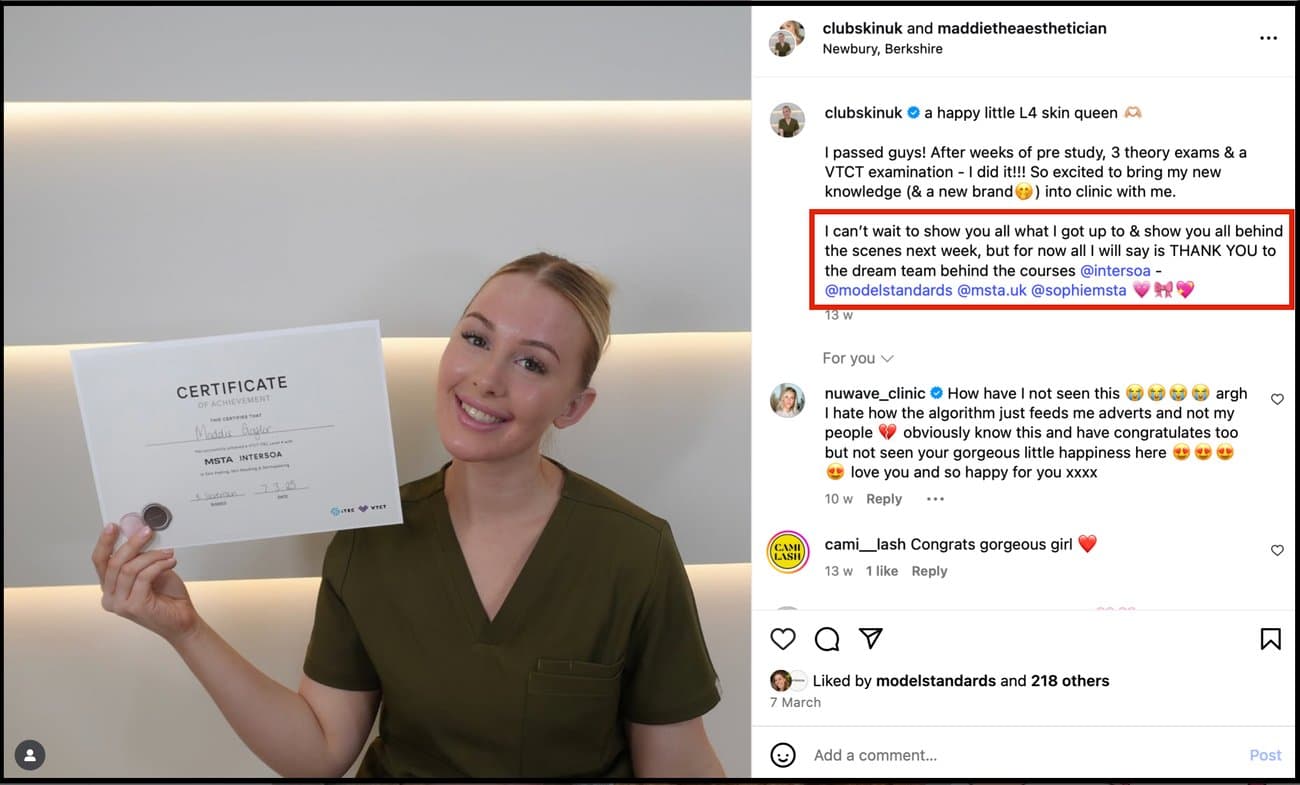
If that shelf review sounds like the work you want to get better at, start with the foundations behind it: skin knowledge, consultation and treatment planning. Our VTCT qualification pathways are for building those skills alongside regulated credentials, not just collecting another product certificate.
Already qualified and considering an injectable skin-quality treatment? Polynucleotides for Skincare Professionals has its own science, client selection and practical training. It is a separate treatment category, not the next step up from a peptide serum. Check entry requirements and your insurer’s position before booking.
For Skin Boosters or focused 1-2-1 training, tell us what you want to offer and the qualifications you hold. We’ll help you work out the right route and current availability. You can also browse the full course library. Or just hit reply and tell us where you’re at. We’ll come back to you personally.
☕ THE BOTTOM LINE
That’s your shot of industry intel.
The clever bottle can stay. So can the excitement. Your job is to give both somewhere useful to go: a plan the client understands, can afford and can actually follow.
This weekend’s small clinic task? Write the invitation for that routine review. You don’t need a new machine to make your knowledge easier to book.
Next week: polynucleotides first, or straight to Sculptra?
Sculptra is an injectable treatment made with poly-L-lactic acid, designed to stimulate the skin’s own collagen production. Radiesse is a different injectable, made with tiny calcium hydroxylapatite particles in a gel, which also stimulate collagen. Familiar names, but not interchangeable treatments.
Could full-face and neck polynucleotides be a useful first step for some clients, including those in their thirties, before considering Sculptra? Or might a different starting point make more sense? We’re looking at what the evidence says about planning for skin as it ages, where Radiesse fits, and whether Sculptra is worth bringing into your clinic: from client demand to training, suitability and risks. A longer-term plan, not a treatment ladder everyone has to climb.
Which ingredient or product is making your clients say “Do I need this?” Hit reply and tell us what you want unpacked next.
💬 Or tag us on Instagram @msta.uk with the part that landed for you. We’d love to share it.
See you next Friday.
Kirsty & Team MSTA
P.S. Know someone who’d love this? Send them this page: they can subscribe below.
Previously: ← Episode #6 · The exosome family tree