

Episode #4
Friday, 7th August 2026
Your weekly caffeine-hit of industry juice & intel ☕
🌡️ THE WARM-UP
Happy Friday.
We’re only a week into August. The out-of-office replies are multiplying, and everyone is pretending their SPF reapplication is going beautifully.
Autumn still feels a while away. But peel season has a habit of arriving fast, and the practitioners who own it are the ones who chose their menu in August.
This week, we’re looking at one of the most useful and most misunderstood treatments in skincare:
Chemical peels.
A chemical peel is not one treatment. It is a whole family of treatments. Some target congestion and excess sebum. Some are built for pigmentation. Some are superficial and repeatable. Some go deep enough to demand real respect.
Today, we’re making the whole thing simple.
We’re also launching MSTA’s annual UK skincare-industry report. It starts with an anonymous survey about what life is really like for the people actually doing this work: what you earn, what you charge, what holds you back.
Take part and you’ll be in with a chance of winning £1,000 in cash and a £5,000 MSTA training voucher.
The survey itself is anonymous. Prize entry is an optional email at the very end, kept separate from your answers. Draw closes 30 September 2026; terms here.
Coffee ready? Let’s get into it.
☕ SKINCARE QUOTE OF THE WEEK
“The bottle is the easy part. The real skill is knowing why this peel is right for this skin, right now.”
Kirsty puts it like this: following the instructions matters. Knowing whether those instructions are right for the person in front of you matters even more.
Does that land for you? Tag us on Instagram @msta.uk and tell us which peel you use most — and why.
🔥 INDUSTRY BUZZ
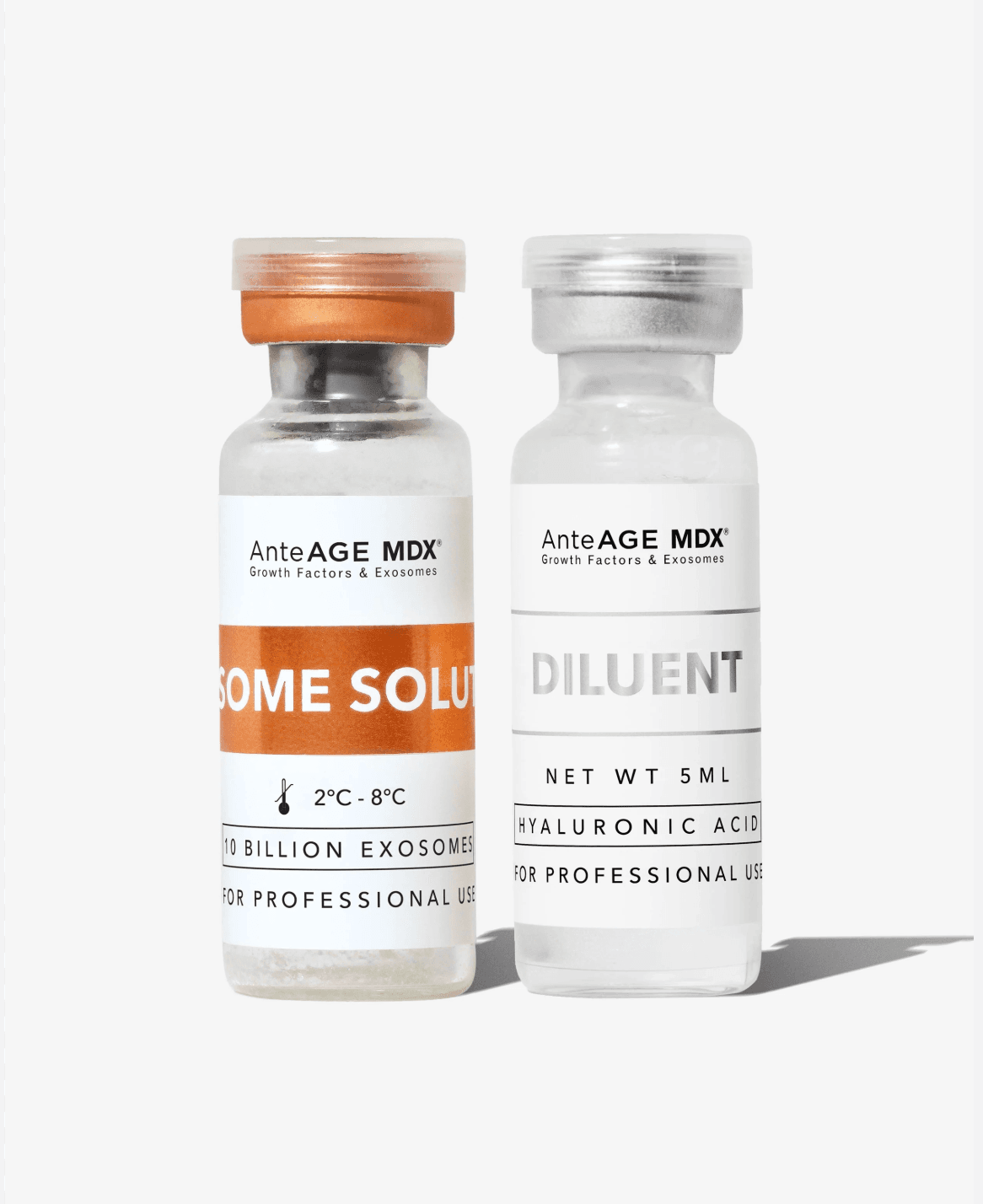
AnteAGE has a new UK home
Unique Skin is now the official UK distributor for AnteAGE.
AnteAGE makes professional skincare used with treatments such as microneedling. UK clinics can now go to Unique Skin for stock, training support and account help.
Dermalogica is opening skin clinics inside John Lewis
Dermalogica’s new Pro Skin Clinics start opening in selected John Lewis stores this month. The first locations include Kingston, Milton Keynes, Cheadle, Southampton and Cambridge.
The clinics will offer skin consultations, treatment plans, microneedling and LED.
Why does this matter? A major skincare brand is putting trained advice at the centre of the shopping experience. That is a useful reminder: clients still value expert help they cannot get from an online basket.
MSTA is building the UK skincare-industry report
We all see the polished version of the skin industry on Instagram.
We want to understand the real version.
MSTA is launching an annual report about what it is actually like to work in skin. The survey is anonymous. We want honest answers, not perfect ones.
Take part and you could win £1,000 in cash and a £5,000 MSTA training voucher.
🧪 TREATMENT SPOTLIGHT:CHEMICAL PEELS
First: what is a chemical peel?
A chemical peel is controlled chemexfoliation: an acid solution applied to lift away old surface cells and trigger fresh turnover underneath.
That is the textbook line.
The working reality is that different acids do different jobs, at different depths, in different skins.
So when a client asks, “Do you do chemical peels?”, it is a bit like being asked whether a restaurant serves food.
The answer might be yes. But it tells you almost nothing about what is actually on the menu.
Why the percentage on the bottle is not enough
Clients often ask for the strongest peel. But a bigger number does not always mean a better treatment.
The result also depends on:
the acid itself, the pH and free-acid availability of the formula, contact time, the number of layers, how well the skin was prepped in the weeks before, and how reactive that particular skin tends to be.
In other words: the bottle matters, but the decision matters more.
Different peels for different jobs
Here are a few real examples from professional skincare brands.
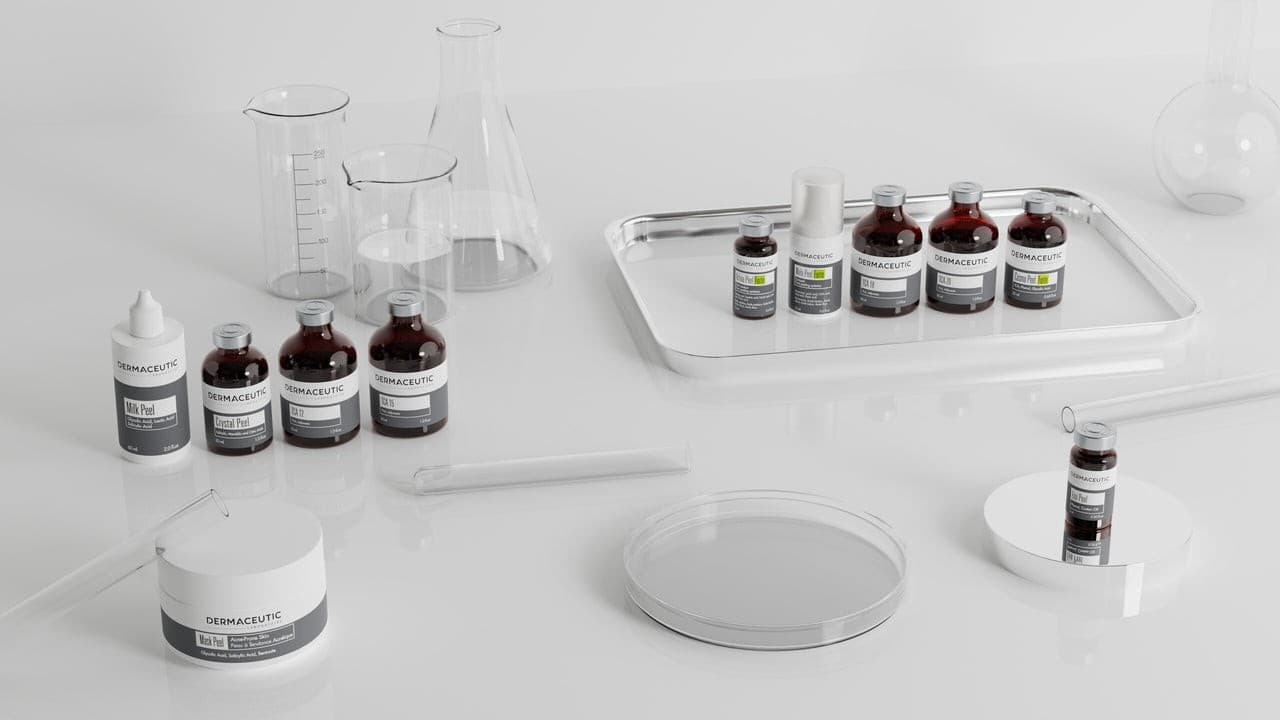
For oil, blocked pores and spots: Dermaceutic Mask Peel
Mask Peel is made by Dermaceutic. It uses glycolic and salicylic acids. It is built for oily, congested, breakout-prone skin: blocked pores and excess sebum.
Salicylic acid earns its place here because it is oil-soluble, so it can travel through sebum and work inside the pore itself.
For dull skin and light surface marks: Dermaceutic Milk Peel
Milk Peel is also made by Dermaceutic. It blends three acids: glycolic, lactic and salicylic.
It is used for dullness, mild breakouts, uneven texture and superficial pigmentation sitting high in the epidermis.
The useful part is the blend. Each acid has a different job, so the treatment is not relying on one ingredient to do everything.
For uneven colour and dark marks: AlumierMD Radiant TXA Peel
Radiant TXA Peel is made by AlumierMD. It combines lactic acid with tranexamic acid and white shiitake mushroom extract.
It is designed for hyperpigmentation and uneven tone. The lactic acid handles the resurfacing; the tranexamic acid is there to address the pigment pathway itself, which is why this peel turns up in brightening protocols rather than congestion plans.
What is EnerPeel?
EnerPeel is a professional peel brand.
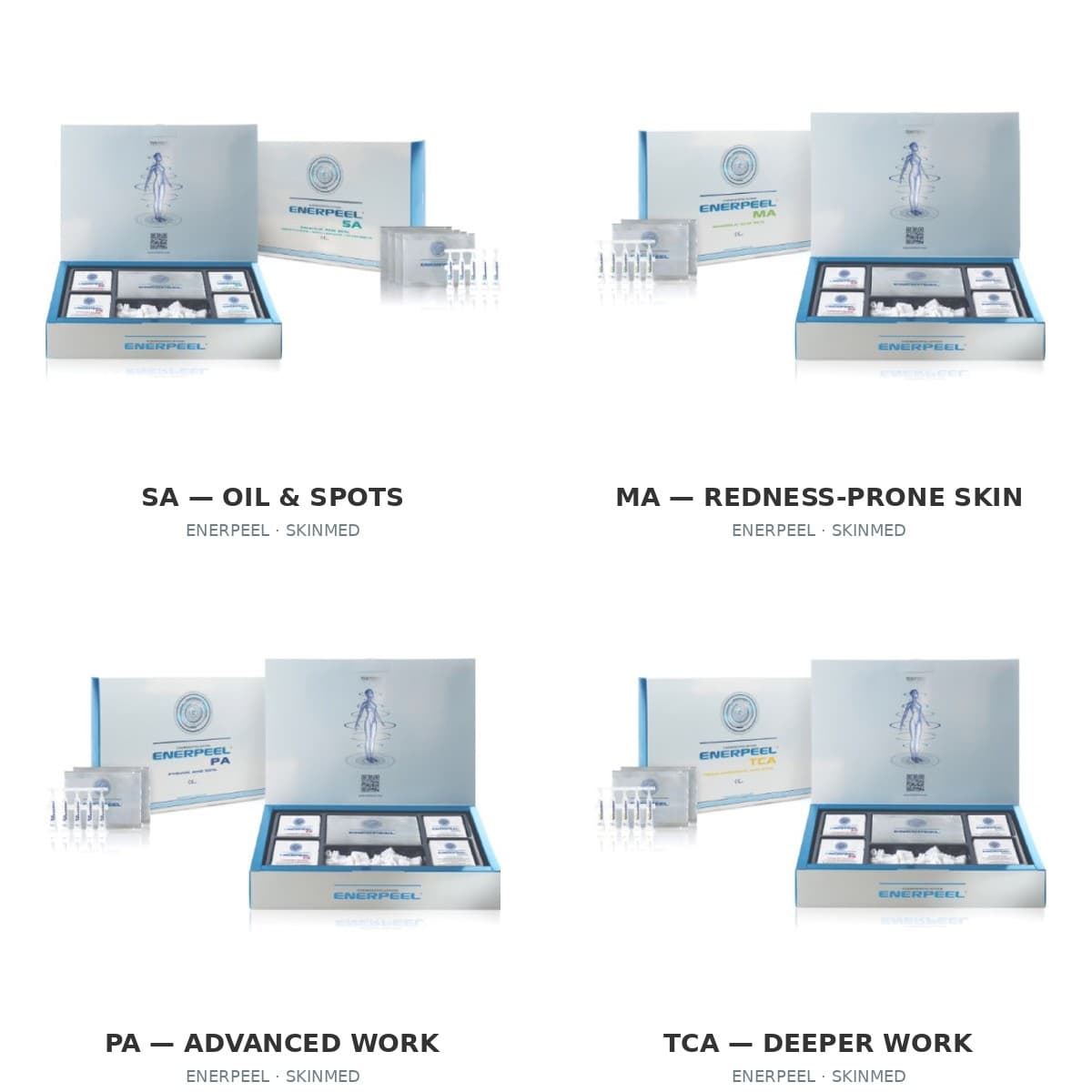
It is not one product. It is a range of different peels made by the same company. The range has 17 options. Each one is made for a different job.
For example:
EnerPeel MA uses mandelic acid. SkinMed, the UK provider, positions it for reactive, erythema-prone skin and for higher Fitzpatrick types, where post-inflammatory hyperpigmentation is the risk you are managing.
EnerPeel SA uses salicylic acid. It is made for oily, blocked and spot-prone skin.
EnerPeel EL is made for the skin around the eyes and lips.
EnerPeel PA and TCA are the advanced end of the range: deeper protocols that demand more training, tighter client selection and the right insurance.
Why do some professionals love EnerPeel?
Because one brand gives them several clear choices.
Instead of trying to make one peel work for every client, they can pick the EnerPeel product that best matches the problem they are treating.
EnerPeel also uses its own delivery system. In simple terms, the brand says this system holds back some of the acid at the skin’s surface and releases it as the product moves into the skin.
The aim is to do more of the work inside the skin, with less damage on top.
That does not make every EnerPeel gentle or suitable for everyone. Some products in the range are strong. Training and good client choice still matter.
Where does BioRePeel fit?
BioRePeelCl₃ FND is one professional peel product. It is not a full range like EnerPeel.
Its formula combines TCA with a supporting blend of acids, vitamins and hydrating ingredients.
BioRePeel comes in two parts that are mixed together before it is used. This is what people mean when they call it a “two-phase” or “biphasic” peel.
Many professionals rate it because clients get visible freshness without the downtime-heavy shedding a traditional TCA can cause.
But “less visible peeling” does not mean “no reaction for anyone”. It still demands proper training, honest consultation and a thorough skin assessment.
Explore MSTA BioRePeel Mastery →
The lesson for practitioners
Do not start with: “Which peel should I buy?”
Start with three simple questions:
What is happening in this skin? What result does the client want? What can their skin safely handle?
Then choose the peel.
The business value
A clinic does not need shelves full of peel bottles. It needs a small number of treatments it understands properly.
Build clear plans around the client’s concern: congestion and breakouts, pigmentation, dullness or visible ageing.
A good plan may include:
consultation and skin analysis, pre-treatment prep, a course of peels, SPF, supporting homecare and a review.
That is easier for clients to understand — and much better than selling one random “glow peel” appointment.
Aesthetician tip
Never sell strength as the main benefit.
Sell the quality of your decision.
A milder peel chosen for the right reason can give a better result than a strong peel chosen to look impressive.
🎓 LEARN & MASTER
Knowing how to apply one peel is useful.
Knowing how to choose the right peel for the skin in front of you is mastery.
MSTA’s Chemical Peel Mastery Programme combines guided online learning with two days of in-person training.
It is designed to help you understand what you are using, why you are using it and how to build a safe treatment plan before peel season.
Message us on WhatsApp with the word PEELS for dates, entry requirements and full details.
Message MSTA about Chemical Peel Mastery →
🌿 PRODUCT WORTH KNOWING
The famous one: BioRePeelCl₃ FND
BioRePeel is one of the peel names clients are most likely to know.
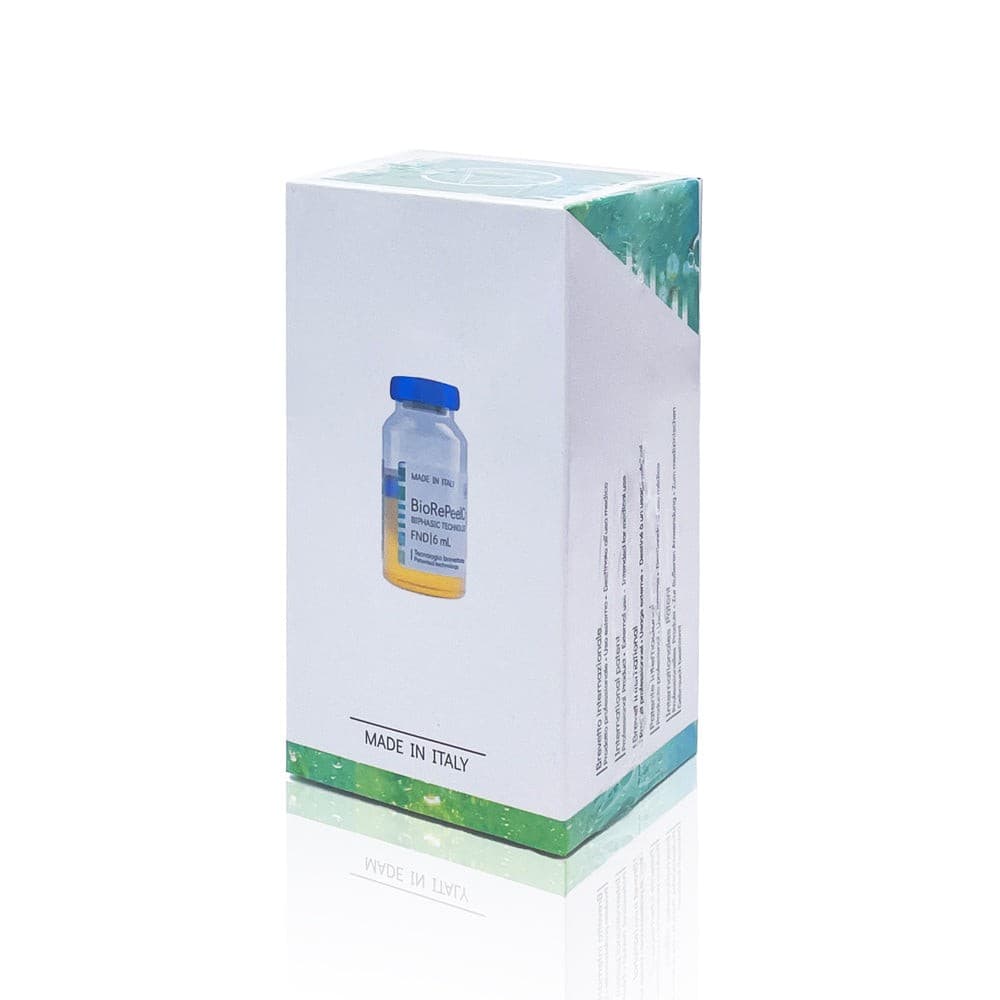
People like it because it can give the skin a fresher look without the heavy shedding they may expect from the words “chemical peel”.
Its real value is not that it is “the peel with no downtime”. That promise is too simple and will not be true for every client.
Its value is that the full formula changes how a TCA peel behaves on the skin.
Explore MSTA BioRePeel Mastery →
The less obvious one: EnerPeel
EnerPeel is worth knowing because it is a full peel system, not one hero product.
One option focuses on oil and spots. Another is designed for the eye and lip area. Other options are made for stronger, more advanced work.
That is why some professionals love it: they can learn one brand system and still have different tools for different jobs.
The stronger EnerPeel products are not casual add-ons. Training, insurance and staying inside your professional limits are essential.
☕ THE BOTTOM LINE
Clients will keep asking which peel is the strongest.
The practitioners they trust will ask a better question:
Strongest for what?
Chemical peels do not need a new name.
They just need to be explained properly.
Before you go, please add your voice to MSTA’s annual UK skincare-industry report. The survey is anonymous, and you could win £1,000 in cash and a £5,000 MSTA training voucher.
Have a brilliant weekend.
See you next Friday ☕
Kirsty & Team MSTA
P.S. Know someone who’d love this? Send them this page: they can subscribe below.
Sources for this episode
Previously: ← Episode #3 · The exosome wave